Kuwait Faces Most Dangerous Political Transformation in Decades: Citizenship Revocations and Parliamentary Suspension Raise Questions About the State’s Future

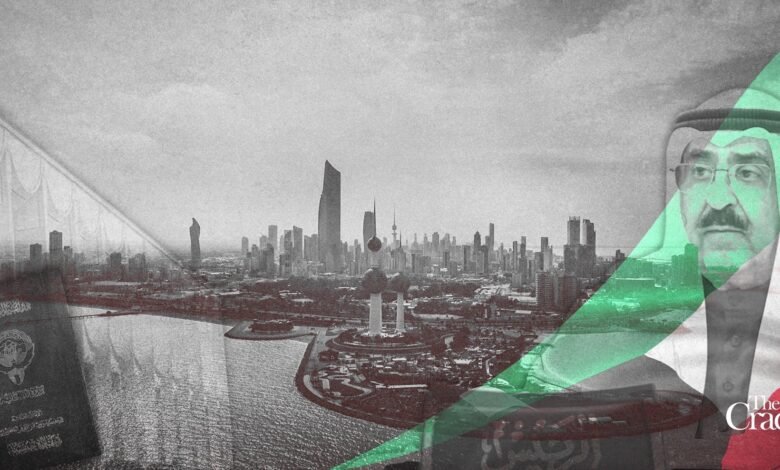
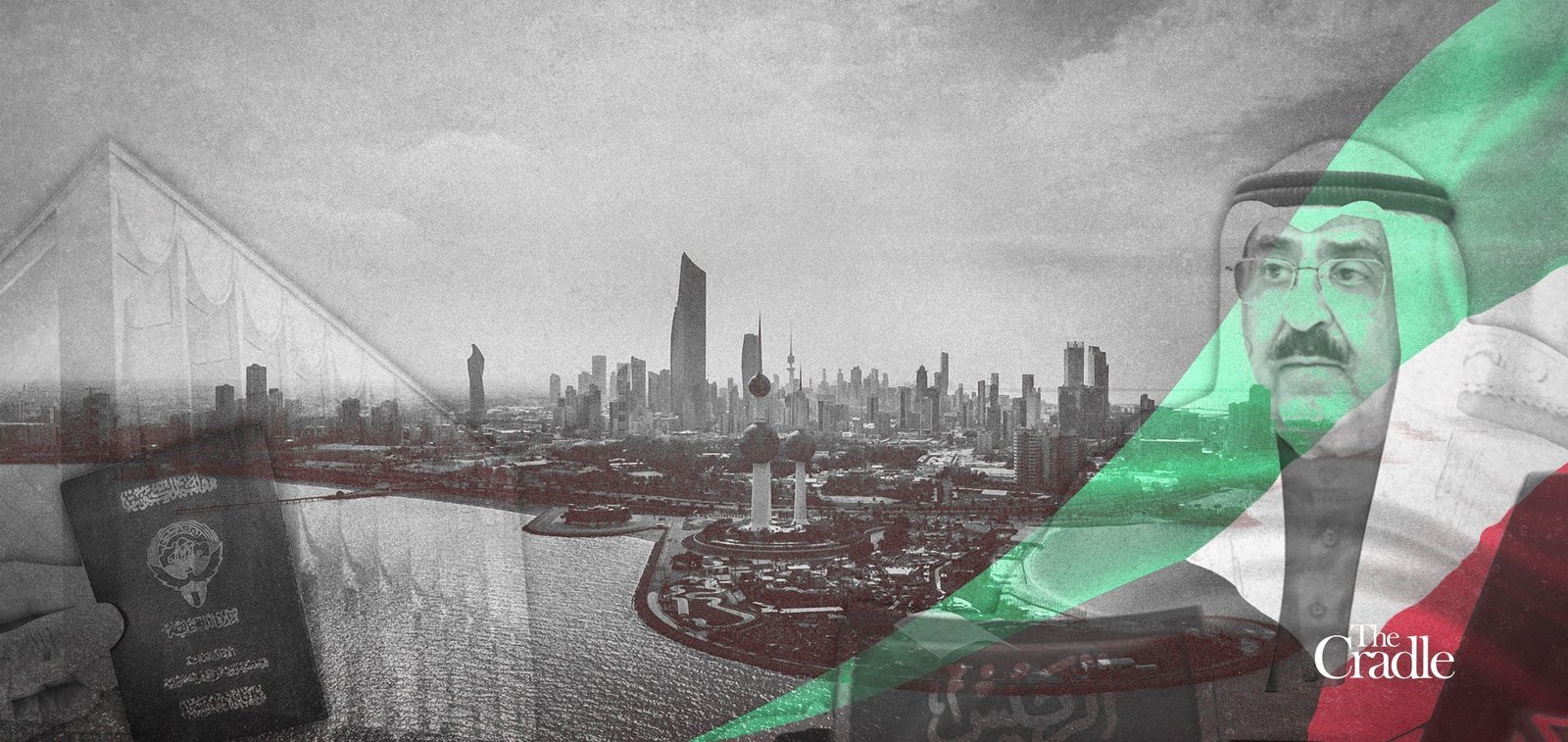
According to a report published by The Cradle, Kuwait is undergoing a profound political and social transformation that could reshape the nature of the state and the relationship between the government and society for the first time in decades. Beyond the recurring government crises and traditional political disputes, attention is now focused on a more sensitive issue concerning the very concept of citizenship and the limits of belonging to the state. These developments come amidst a widespread campaign to revoke Kuwaiti citizenship from tens of thousands of people, coinciding with rapid political changes that have seen the suspension of parliamentary life and a shrinking of the space for public political activity. Observers believe that Kuwait currently stands at a historic crossroads, between preserving the political model that has distinguished it for decades within the Gulf or moving towards a more centralized model of governance.
Citizenship Revocations Become a Major Political Issue
The issue of citizenship has become the focus of internal and external discussions regarding Kuwait’s future, after human rights reports indicated that tens of thousands have had their citizenship revoked in recent months. Kuwaiti authorities assert that the measures target cases of dual citizenship or illegal naturalization files, while human rights organizations believe the scope of the decisions has expanded to include broader categories of citizens and naturalized citizens. The seriousness of the issue lies in the fact that citizenship is not merely a legal document, but rather the foundation of the relationship between the individual and the state. This makes any broad review of this issue politically and socially significant, extending beyond the administrative or legal aspects.
The End of a Decade-Long Political Era
Kuwait has long been considered an exception within the Arabian Gulf, thanks to its elected parliament and a wider space for public debate and political accountability. However, recent years have witnessed escalating disputes between successive governments and the National Assembly, leading to recurring political stalemates. The authorities argue that this model has hindered the implementation of economic reforms and development projects, while critics warn that addressing the crisis by curtailing the political role of elected institutions could lead to the loss of one of the most important elements of balance and stability that has characterized the Kuwaiti experience.
Redefining the Relationship Between State and Society
A number of researchers believe that what is happening is not merely about addressing a temporary political crisis, but rather reflects a broader reformulation of the relationship between the state and its citizens. With the shrinking of the parliamentary role and the expansion of executive powers, the mechanisms for managing political disputes that Kuwait has relied on for decades are changing. Critics of these policies fear that weakening the institutions that mediate between the state and society will push political and social tensions beyond the traditional constitutional frameworks that previously contained them.
Regional Dimensions Behind Current Transformations
Some analysts link these transformations to the rapid regional changes taking place in the Gulf and the Middle East. Escalating security tensions and regional conflicts have prompted many countries to strengthen their centralized control over political and security decision-making. In this context, some observers believe that Kuwait is seeking to fortify its internal front in the face of a highly volatile regional environment, while others warn that increased internal restrictions could be counterproductive and exacerbate challenges rather than contain them.
Is Kuwait Moving Towards a Different Gulf Model?
One of the most prominent questions being asked today is whether Kuwait is gradually moving towards a political model more similar to some other Gulf states that rely on greater centralization in state administration. However, experts point out that each country has its own unique historical and social characteristics, and that the Kuwaiti model was founded on different balances in which parliament and public debate played a significant role in managing political life. Therefore, any attempt to reshape this equation may face challenges different from those encountered by other countries in the region.
What does this transformation mean for Kuwait’s future?
The significance of current developments lies in their potential to shape the Kuwaiti state for decades to come. If the government succeeds in achieving political and administrative stability without disrupting social balances, it may succeed in establishing a new model of governance. However, if the changes lead to a decline in trust between the state and society or an increase in legal and political uncertainty, the country may face more complex internal challenges in the future.
The Expected Scenario in the Coming Period
Kuwait is likely to continue implementing its new policies in the coming period, focusing on restructuring the political and administrative landscape. Meanwhile, issues of citizenship, public freedoms, and the future of parliamentary life will remain key topics of discussion both domestically and internationally. The results of these transformations will also depend to a large extent on the state’s ability to maintain a balance between the requirements of political stability and the unique nature of the Kuwaiti experience, which has remained different from most of the prevailing models in the region for decades.