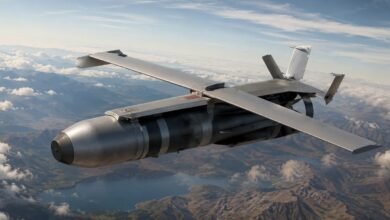
Ukrainian Flamingo Missiles Strike Deep Inside Russia for the First Time: Long-Range Attacks Reveal a Dangerous Shift in the Course of the War

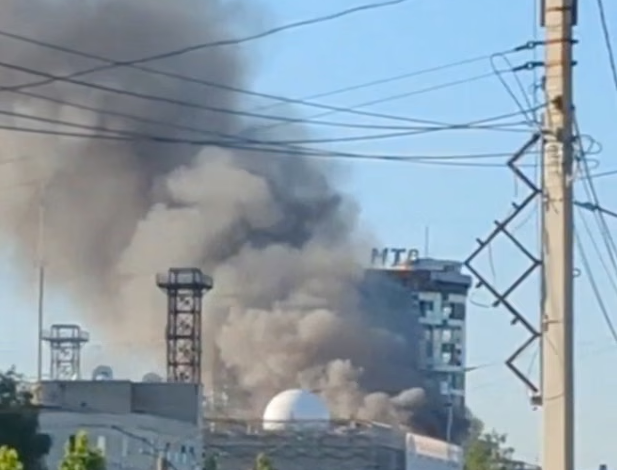
According to a report published by the British newspaper The Guardian, the Russian-Ukrainian war has entered a new and more complex phase after Kyiv announced a series of long-range attacks targeting military and oil facilities inside Russian territory, at distances of more than 900 kilometers from the front lines. Ukrainian President Volodymyr Zelensky confirmed that long-range Flamingo missiles were used to strike a military factory in the Russian city of Cheboksary, a facility linked to the production of components used in Russian drones and missiles. These strikes coincided with attacks targeting oil refineries and energy infrastructure, indicating a qualitative escalation in Kyiv’s strategy to take the battle deep into Russia and target the logistical and industrial capabilities that support Moscow’s war effort.
Flamingo Missiles Enter the Scene with Force
The most significant development revealed by recent events is the increased operational use of Ukrainian long-range Flamingo missiles, which have managed to reach targets at unprecedented distances inside Russia. One of the strikes targeted a military factory specializing in the production of systems and antennas used in Russian drones and missiles. The success of these attacks reflects a significant development in Ukrainian offensive capabilities, particularly given the missiles’ ability to travel hundreds of kilometers and penetrate deep into Russian strategic territory, posing new challenges to Russian air defense systems.
Russian Oil Under Fire
The attacks were not limited to military installations but extended to the energy sector, a vital economic artery for Moscow. Several regions witnessed attacks on refineries and oil facilities, including a refinery in the Samara region that sustained damage disrupting production. The attacks also targeted energy infrastructure and pipelines linked to the oil and gas industry. Observers believe that Kyiv is attempting, through these operations, to increase economic pressure on Russia and reduce the revenues that contribute to financing the military operations that have been ongoing for more than four years.
Ukraine Officially Establishes “Unmanned Systems Forces”
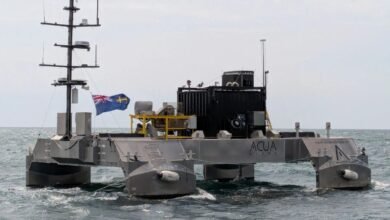
In a move reflecting a radical shift in the nature of modern warfare, the Ukrainian president declared June 11th an annual holiday for the Unmanned Systems Forces, the military force specializing in the operation and development of drones and robotic systems. This step underscores the growing importance of technology in Ukrainian military doctrine, as drones have played a pivotal role in reconnaissance, attacks, and targeting Russian supply lines in recent years.
Continued Strikes Against Russian Supply Networks
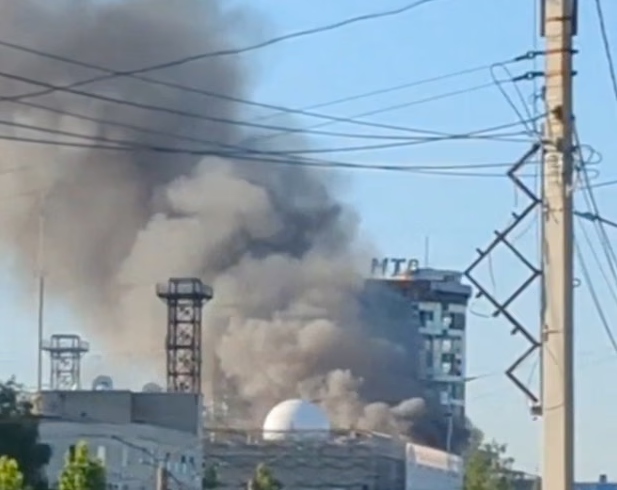
In conjunction with attacks inside Russian territory, Ukrainian forces continued to target ports, bridges, and transportation hubs in Russian-controlled areas. These operations included the strategic port of Mariupol and the Chongar Bridge, which connects Crimea to the occupied southern regions. These attacks aim to disrupt the movement of Russian military supplies and cripple the transport lines relied upon by forces deployed on the southern and eastern fronts.
What Does This Escalation Mean?
Recent developments indicate that the war is entering a phase that relies more heavily on long-range precision strikes and technological warfare. After years of conventional warfare, factories, power plants, and infrastructure have become prime targets for both sides. Ukraine’s ability to launch deep attacks inside Russia gives it a new bargaining chip that could impact Moscow’s military and political calculations, especially if the pace of these attacks continues to escalate in the coming months.
The Expected Scenario for the Coming Period
Experts anticipate that Ukraine will continue to expand its long-range attacks, leveraging the ongoing development of its missile and drone capabilities. In response, Russia may bolster its air defenses around critical installations and intensify retaliatory strikes against Ukrainian infrastructure. With technology and artificial intelligence increasingly integrated into the battlefield, the war appears poised to enter a more complex phase, where unmanned systems and long-range weapons will play a decisive role in determining the balance of power on the ground.